Arons & Solomon Divorce Lawyers | April 23, 2026 | Child Custody In Bergen County, NJ

When parents separate or divorce, one of the most important issues is child custody. Custody determines where a child will live and who will make decisions about their upbringing. Understanding the different types of custody can help you feel more prepared and confident as you move forward.
Each family is unique, and custody arrangements are designed to support the child’s best interests. Below is a simple breakdown of the most common types of child custody.
Legal Custody
Legal custody refers to a parent’s right to make important decisions about a child’s life. These decisions may involve education, healthcare, religion, and other major issues.
In many cases, parents share legal custody. This means both parents must work together when making important choices. In other situations, one parent may have sole legal custody if shared decision-making is not practical.
Physical Custody
Physical custody determines where the child lives on a daily basis. One parent may have primary physical custody, meaning the child lives with them most of the time.
The other parent may have parenting time or visitation. In some families, physical custody is shared more equally, depending on the parents’ schedules and the child’s needs.
Courts aim to create arrangements that provide stability and allow the child to maintain strong relationships with both parents whenever possible.
Joint vs. Sole Custody
Custody can also be described as joint or sole, depending on how responsibilities are shared between parents. Generally:
- Joint custody means both parents share responsibilities, either legally, physically, or both
- Sole custody means one parent has primary authority over decisions or living arrangements
- Joint custody often requires strong communication between parents
- Sole custody may be awarded when one parent cannot safely or effectively participate
Each arrangement depends on the specific circumstances of the family and what will best support the child’s well-being.
Understanding these distinctions can help you better evaluate what type of arrangement may work for your situation.
Parenting Plans and Visitation
A parenting plan outlines how custody and visitation will work in practice. It often includes schedules, holidays, and how parents will communicate with each other.
Visitation, sometimes called parenting time, allows the non-custodial parent to spend time with the child. These schedules can vary widely and may be flexible or structured based on the family’s needs.
A clear parenting plan can reduce confusion and help both parents stay focused on the child’s routine and well-being.
Can Custody Arrangements Change Over Time?
Custody orders are not always permanent. As children grow and circumstances change, parents may need to update their arrangements.
Courts may approve modifications if there is a significant change, such as a relocation, changes in a parent’s schedule, or the evolving needs of the child. Keeping custody plans up to date can help ensure they continue to support the child’s best interests.
How Courts Decide Custody
Courts focus on the best interests of the child when making custody decisions. Judges may consider many factors, including each parent’s ability to provide care, the child’s relationship with each parent, and the stability of each home environment.
The goal is to create a safe, supportive arrangement that helps the child thrive. In many cases, courts encourage parents to reach agreements on their own whenever possible.
Contact the New Jersey Child Custody Lawyers at Arons & Solomon Divorce Lawyers for Help Today
If you are dealing with a custody issue, you do not have to figure it out on your own. We are here to help you understand your options and protect your child’s best interests.
We offer free consultations and can guide you through each step of the process with care and clarity. Contact the experienced family attorneys at Arons & Solomon Divorce Lawyers today for legal assistance. Visit our law office in Bergen County or give us a call at (201) 487-1199 to schedule a free consultation with our team.
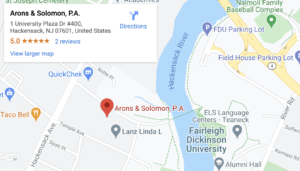
Bergen County Law Office
1 University Plaza Dr #400, Hackensack, NJ 07601, United States