Arons & Solomon Divorce Lawyers | January 3, 2026 | Divorce in Hackensack, NJ

Divorce is often emotionally charged, and learning that a spouse has been unfaithful can make an already difficult situation feel overwhelming. Many people in Hackensack, New Jersey, assume that adultery will automatically influence the outcome of their divorce.
In practice, New Jersey law treats infidelity far more narrowly than most people expect. Understanding what does—and does not—matter legally can help spouses make more informed decisions as they move forward.
Is New Jersey a No-Fault Divorce State?
New Jersey permits both no-fault and fault-based divorces. The most common no-fault ground is irreconcilable differences, which does not require either spouse to prove wrongdoing. This option allows couples to end their marriage without litigating personal behavior.
Although adultery remains a legally recognized fault ground, filing on this basis rarely changes the practical outcome of a divorce. Courts are primarily concerned with resolving financial issues fairly and protecting children’s best interests, rather than assigning blame for the breakdown of the marriage.
Does Infidelity Affect Property Division in New Jersey?
Marital assets and debts in New Jersey are divided under the doctrine of equitable distribution. This means the court seeks a fair allocation based on the circumstances of the marriage, not an automatic 50–50 split.
Infidelity alone typically has no impact on how property is divided. However, it can become relevant if one spouse used marital funds to support an affair. Significant spending on a third party—such as travel, gifts, or housing—may be considered dissipation of marital assets and factored into the final division.
Can Adultery Influence Alimony Awards?
Alimony determinations in New Jersey focus on financial realities, including the length of the marriage, each spouse’s income, and the ability to maintain a comparable standard of living. Marital misconduct, including adultery, is generally excluded from the analysis.
There are limited exceptions. If an affair caused measurable financial harm or directly affected the economic stability of the marriage, a court may consider it. Even in those cases, adultery is only one small piece of a much larger financial picture.
Does Cheating Affect Child Custody or Parenting Time?
Concerns about custody are common when infidelity is involved. New Jersey courts decide custody and parenting time based solely on the child’s best interests. A parent’s affair does not, by itself, make that parent unfit.
Infidelity may become relevant only if related behavior negatively affects the child, such as exposing them to unsafe environments or failing to meet parental responsibilities. The focus remains on the child’s health, safety, and emotional stability.
Why Proving Infidelity Often Complicates Divorce
While adultery can be legally alleged, proving it usually requires additional evidence, witnesses, or investigation. This process can increase costs, prolong the case, and escalate conflict between spouses.
For many couples, pursuing a no-fault divorce leads to a more efficient resolution. Shifting attention away from blame and toward practical solutions—such as financial planning and parenting arrangements—often results in better long-term outcomes.
A Practical but Overlooked Issue: Digital Evidence and Privacy
One topic that is rarely discussed but increasingly relevant is how digital evidence related to infidelity is handled during divorce. Text messages, emails, social media posts, and shared cloud accounts can all become sources of information—and potential disputes.
Accessing a spouse’s private accounts without permission can raise legal and ethical concerns, even during divorce. Understanding what information can be lawfully obtained and how it may be used is important before acting.
Speaking with a divorce lawyer early can help prevent privacy violations that could complicate the case.
How an Experienced Divorce Lawyer Can Provide Clarity
Divorce law in New Jersey can feel confusing, especially when emotions run high and allegations of infidelity are involved. An experienced divorce attorney can explain how courts typically handle these issues and help clients focus on what truly matters.
Beyond explaining the law, a divorce lawyer can help clients approach the process strategically. That includes identifying which issues are worth pursuing, which arguments are unlikely to carry legal weight, and how to avoid unnecessary disputes that drive up costs and delay resolution.
Contact a Hackensack Divorce Lawyer for Help Today
Infidelity can add emotional strain to a divorce, but it does not automatically control the legal outcome. Understanding how New Jersey law views adultery can help you move forward with clearer expectations and understanding.
Contact the experienced family attorneys at Arons & Solomon Divorce Lawyers today for legal assistance. Visit our law office in Bergen County or give us a call at (201) 487-1199 to schedule a free consultation with our team.
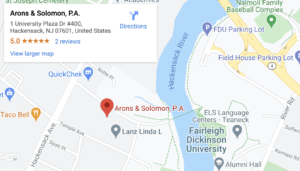
Bergen County Law Office
1 University Plaza Dr #400, Hackensack, NJ 07601, United States